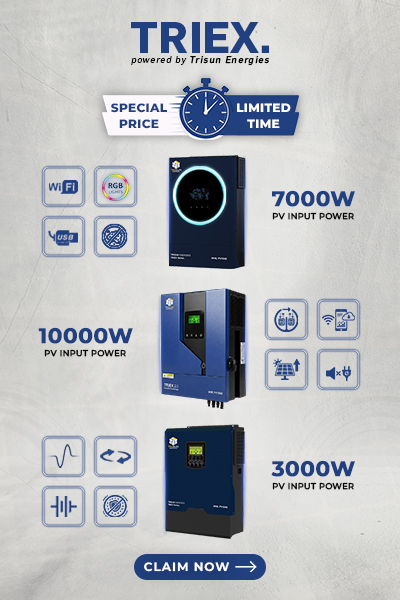


Identifying the size of an inverter you need can be a troublesome task if you are unfamiliar with how much power your household or business needs and how an inverter works. Therefore, the answer to what size inverter you need depends on the total electricity load in your house and how you want to use the inverter. Moreover, the selection of the right size of inverter is very important. If your inverter is too small, it won’t be able to handle the appliances you connect. On the other hand, buying an oversized inverter will only cost you more money without any real benefit.
Step 1: Know Your Power Requirements
The simplest way to select the right inverter is to calculate your total power needs. Think about the appliances you want to run on backup power during a power cut or through your solar system. For instance, if you want to run 5 fans (75 watts each), 10 LED bulbs (10 watts each), 1 refrigerator (200 watts), 1 television (120 watts), and a laptop (50 watts), the total comes to around 845 watts.
However, this is just the running load. Some appliances, such as refrigerators and water pumps, need extra power for a few seconds when they start. This is called surge power. To be on the safe side, you should always keep a 25–30% margin above your running load. So, in this example, a 1.2kW inverter would be the right choice instead of just an 850W inverter.
Step 2: Understand Continuous and Surge Power
Knowing the difference between continuous and surge power is important when sizing an inverter. Continuous power is the steady supply your inverter provides to keep your appliances running normally. Surge power, on the other hand, is the temporary burst of power required when certain appliances start up. For instance, a fridge that normally consumes 200 watts may need 600 watts for a few seconds when its compressor turns on. If your inverter cannot handle that surge, the appliance may not start at all.
This is why choosing an inverter based only on the running load is not enough. Always check whether the inverter you are buying can handle the surge requirements of your appliances.
Step 3: Consider Batteries and Solar Panels
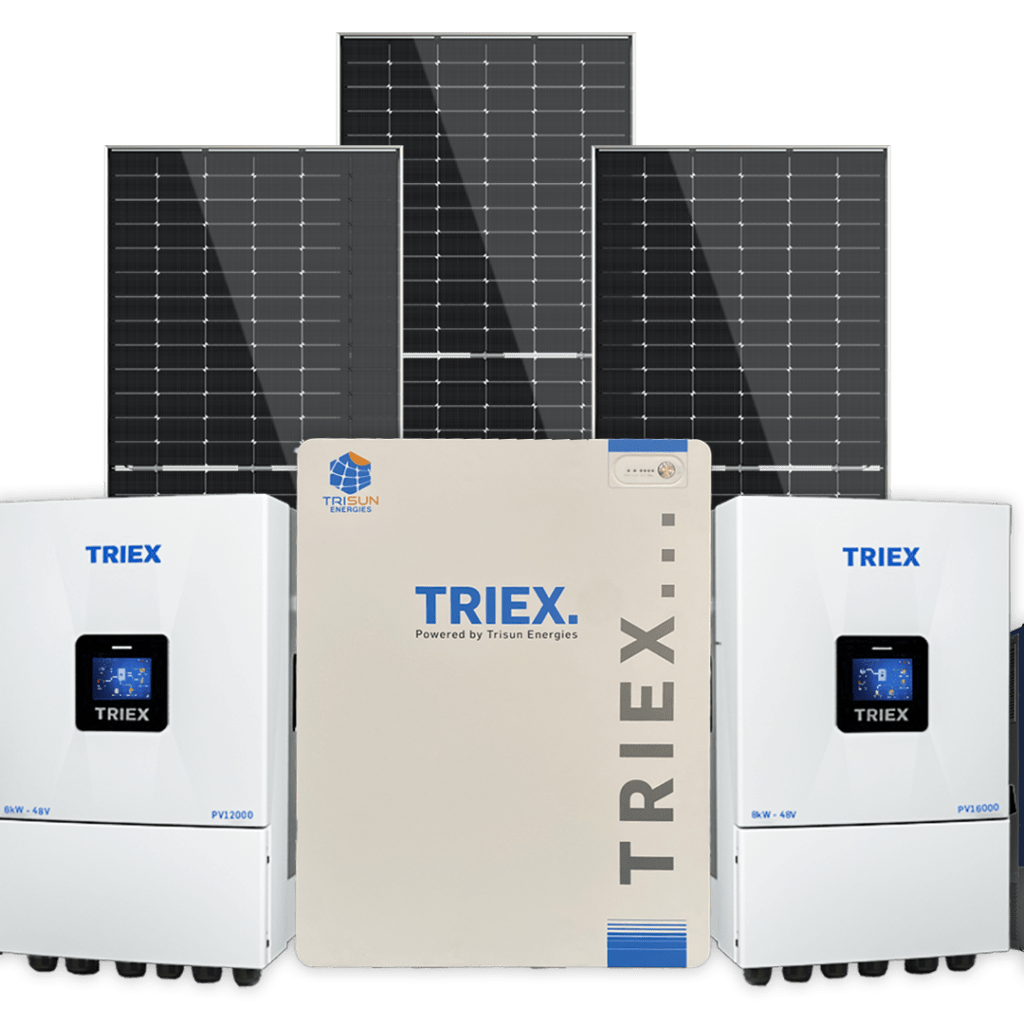
An inverter cannot work alone; it either runs on batteries or solar panels. If you are connecting it with solar panels, the inverter size should match your solar capacity. For example, a 3kW solar system will need a 3kW inverter. If you are using batteries, you need to check both the voltage and the capacity to make sure they match the inverter requirements. Bigger inverters typically require higher voltage battery banks, such as 24V or 48V systems, rather than just a single 12V battery.
This connection between the inverter, battery, and solar panel size is vital. If you mismatch them, the system will not perform efficiently, and you may face problems like short backup time or frequent tripping.
Step 4: Think About the Future
Many people make the mistake of buying an inverter that fits only their current needs. Later, when they add new appliances like an air conditioner or an additional fridge, the inverter is no longer enough. To avoid this problem, it is smarter to buy an inverter that has some extra capacity. For example, if your current need is 2kW, consider buying a 3kW inverter so that you are prepared for future needs without replacing the whole system.
Final Thoughts
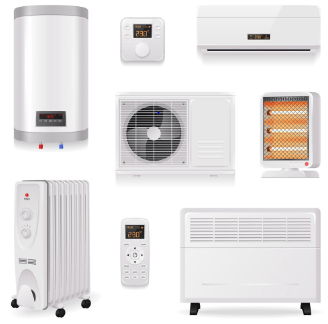
Selecting the right inverter size does not have to be complicated. Start by calculating the wattage of the appliances you want to run, add some margin for surge power, and then match it with the right battery or solar system. For small households, a 1–2kW inverter is usually sufficient. Medium homes often require 3–5kW, and larger homes may need up to 10kW.
If you are still unsure, the safest option is to get a load assessment from a professional. Companies like Triex in Pakistan help homeowners pick the right inverter and complete system according to their actual requirements. With the right choice, you can enjoy uninterrupted power, save money, and stay stress-free during load shedding or power cuts.
FAQs – What Size Inverter Do You Need for Your Home?
1. How do I calculate the inverter size for my home?
Add up the wattage of all the appliances you want to run at the same time, then choose an inverter with at least 20–30% more capacity to handle extra load. For example, if your total is 1,000 watts, you should go for a 1,200–1,500-watt inverter.
2. Can I run an air conditioner on an inverter?
Yes, but only if your inverter is powerful enough.
3. What happens if my inverter is too small?
If your inverter size is smaller than your home’s load, it will either shut down or get damaged. Always choose a size slightly bigger than your total requirement.
6. Can solar inverters and normal inverters be the same?
No. A solar inverter is specially designed to work with solar panels and batteries. A normal inverter only works with batteries. If you plan to use solar, always go for a solar-compatible inverter.
Reach us out:
Call Us: +92 311 1457777
Email: info@triexbyte.com
Visit Us: Plot No D-65/I, Block 5 Clifton, Near Boat Basin, Karachi
Timings: 10:00 AM – 6:00 PM (Mon–Sat)