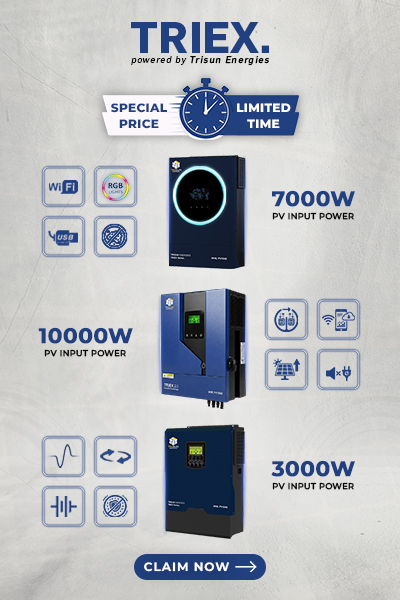

A solar inverter is the most crucial component of the solar system, in simpler words it is the heart of the solar system. The main function of a solar inverter is to convert the direct current produced by solar panels into alternating current to power homes and businesses.Like any electrical equipment, solar inverter may incur common inverter problems but don’t worry this guide will provide you with common inverter problems and solutions.
Why Solar Inverter is Important for Solar Panel Systems.
As highlighted above, a solar inverter is the heart of a solar panel system because it converts the DC (direct current) electricity produced by the panels into usable AC (alternating current) power for your home or business.
The energy generated by solar panels cannot run appliances, charge devices, or connect to the grid without a solar inverter. Furthermore, the best inverters in Pakistan improve system efficiency, monitor performance, protect against voltage fluctuations, and ensure smooth power delivery even during load shedding.
Lastly, the inverter acts as the “brain” of the entire solar setup, making your solar energy reliable, safe, and fully usable. The best part is that the best inverters in Pakistan, such as Triex allow you to track performance.
10 Common Solar Inverter Problems & Solutions

Solar inverters, like any other electrical equipment can experience problems so you don’t need to worry, Triex is here to empower you with all the solutions. Top solar inverter brands offer products which have the least chance of experiencing any such problem. In addition, as highlighted above, the best solar inverters in Pakistan also offer monitoring features.
1.Overheating
One of the most common solar inverter problems is overheating. When an inverter doesn’t get enough airflow, sits under direct sunlight, or its cooling fan becomes dusty, its temperature rises. This not only reduces performance but can also shut down the inverter to protect its internal components.
Solution:
Try placing your inverter in a shaded, open area with proper ventilation. Moreover, keep occasionally cleaning dust from vents, fans, and heat sinks so air can move freely. Keep in mind that if the inverter continues to overheat, the cooling system might be weak or faulty so get a technician to inspect it or consider upgrading.
2. Wi-Fi or Monitoring System Not Working
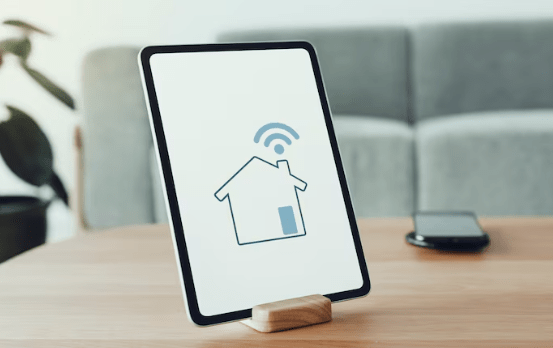
If your solar inverter’s monitoring app stops updating or refuses to connect, it usually means the inverter isn’t communicating properly with your Wi-Fi network.
Moreover, when this happens, you can’t track your solar system’s performance or notice early warning signs of any inverter faults. This issue is mostly caused by weak signals, incorrect Wi-Fi details, or small glitches in your router or app.
Solution:
You may start by restarting your Wi-Fi router, as a simple restart often clears temporary signal issues. Make sure your internet is working properly and that you’ve entered the correct Wi-Fi password, because weak connectivity or wrong credentials can break the link between your inverter and the network.
Once the internet is stable, go to your inverter’s settings and reconnect it to the Wi-Fi. Also check for updates in your monitoring app or software, because outdated versions often cause these issues.
After these steps, the inverter usually reconnects smoothly, and you can monitor your system’s performance again without any trouble.
3. Ground Fault Issues

Ground faults happen when electricity leaks somewhere between the panels and the grounding system. This usually occurs because of damaged wires, loose connections, moisture, or rodent bites.
Solution:
Start by inspecting the wiring, connectors, and junction boxes for any damage or moisture buildup. Once the fault is identified, repair or replace the affected part. Ground faults should never be ignored because they can pose safety risks and reduce system output.
4. Communication Errors

Modern inverters communicate with monitoring systems through Wi-Fi, cables, or external modules. If something interrupts this communication, such as outdated firmware, loose connectors, or interference, the inverter may not show accurate data.
Solution:
To correct this, you must check the monitoring cables or Wi-Fi module, to ensure everything is tightly connected, and update the inverter’s firmware if available.
If the issue continues, you may need support from the manufacturer or installer to troubleshoot deeper software or hardware faults.
5. DC Input Voltage Problems
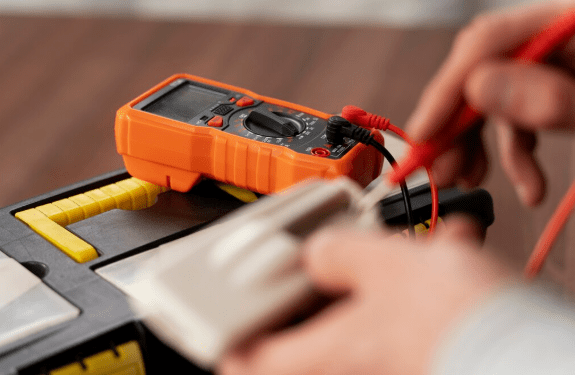
Every inverter operates within a specific DC voltage range. If your solar panels send voltage that’s too low or too high, the inverter may trigger an error code or shut down to prevent damage.
Solution:
Firstly, check whether any panels are shaded, dirty, or disconnected. Even a single weak panel can drop the voltage of an entire string.
However, if the panels are clean and working, the settings inside the inverter might need adjustment or there may be an internal fault. A professional technician can help diagnose this accurately.
6. Frequent Shutdowns

Unstable grid voltage, wiring faults, or internal component issues can turn solar inverters off again and again.
Solution:
Check if the grid voltage in your area fluctuates. If yes, install a stabilizer or ask your installer to adjust inverter grid settings. Also make sure the wiring and MCBs are in good condition and not overheating.
7. Error Codes on Display

The best inverters in Pakistan show specific error codes when something is wrong. These errors can relate to the grid, DC input, battery, or internal components.
Solution:
Look up the code in the inverter manual or the manufacturer’s website. Reset the inverter after checking connections. If the same error keeps coming back, call a qualified technician for detailed diagnosis.
8. Noise or Vibration Issues

If your inverter suddenly becomes noisy or starts vibrating, this usually indicates a fan problem, a loose mounting bracket, or internal component wear.
Solution:
Check if the inverter fan is blocked or dirty. Tighten the mounting screws. If the sound comes from inside the unit, it’s best to get it checked before it leads to a bigger failure.
9. Inverter Incompatibility

Sometimes an inverter doesn’t work properly simply because it isn’t the right match for your solar panels or battery setup. This happens when the voltage or power ratings don’t align, or when the inverter doesn’t meet local regulations and standards. These mismatches can lead to performance issues or even prevent the system from running at all.
Solution: The best way to avoid this problem is to consult a professional before installation. They can check whether the inverter you’re choosing is fully compatible with your panels and battery system.
The best solar inverters, such as Triex are compatible with solar panels and batteries so you don’t face these issues.
10. Inverter Display Not Working
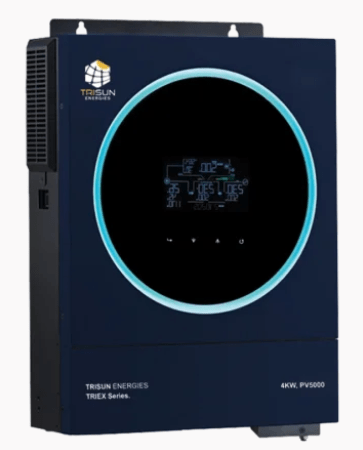
If your inverter’s display goes blank or starts showing incorrect numbers, this often happens due to simple issues like a loose display connection, a minor software glitch, or in some cases, a faulty display unit.
Solution: Start by checking whether the display cable is properly connected. A quick reset, turning the inverter off and then back on, can also clear temporary software errors and bring the screen back to normal. But if the display still doesn’t respond or continues to show wrong information, the display unit may need to be repaired or replaced.
Conclusion

Solar inverters are the heart of every solar system, and like any other device, they can face a few problems from time to time. The good thing is that most inverter issues are easy to understand and even easier to fix when you know what’s causing them.
Overheating, Wi-Fi errors, voltage problems, or display issues, taking quick action helps protect your system and keeps everything running smoothly.
The best solar inverters in Pakistan are designed to minimize these problems, and even if an issue does appear, reliable brands always offer strong after-sales service to support you. By choosing a trusted inverter like Triex, following simple maintenance steps, and calling a professional when needed, you can enjoy stable, safe, and long lasting solar power.
A well-maintained inverter doesn’t just fix problems, it ensures your entire solar setup delivers top performance every single day.
FAQs About Common Inverter Problems
1. Why does my solar inverter keep shutting down?
Frequent shutdowns usually happen because of unstable grid voltage, wiring issues, or overheating.
2. What should I do if my inverter shows an error code?
Each brand of inverter has a unique error code. To find out what the code indicates, consult your handbook or the brand’s website. Reset the inverter once after that. Contact an expert if the same code reappears.
3. Why is my inverter making noise?
Unusual noises are frequently caused by worn-out internal components, loose mounting screws, or dirty fans. Although cleaning or tightening normally helps, a specialist should be consulted if the noise persists.
4. How do I know if my inverter is compatible with my solar system?
The inverter must match your solar panels’ voltage and power rating. It’s best to ask your installer to confirm compatibility before installation.
5. How can I avoid most inverter problems?
Install the inverter properly, keep it clean, monitor it regularly, and follow basic maintenance steps. Choosing a trusted brand like Triex also reduces long-term issues.
Reach us out:
Call Us: +92 311 1457777
Email: info@triexbyte.com
Visit Us: Plot No D-65/I, Block 5 Clifton, Near Boat Basin, Karachi
Timings: 10:00 AM – 6:00 PM (Mon–Sat)