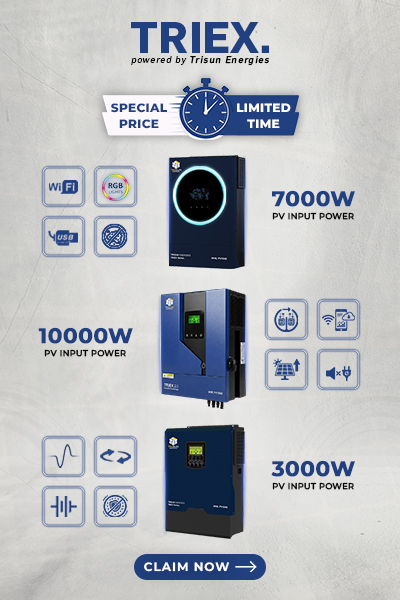

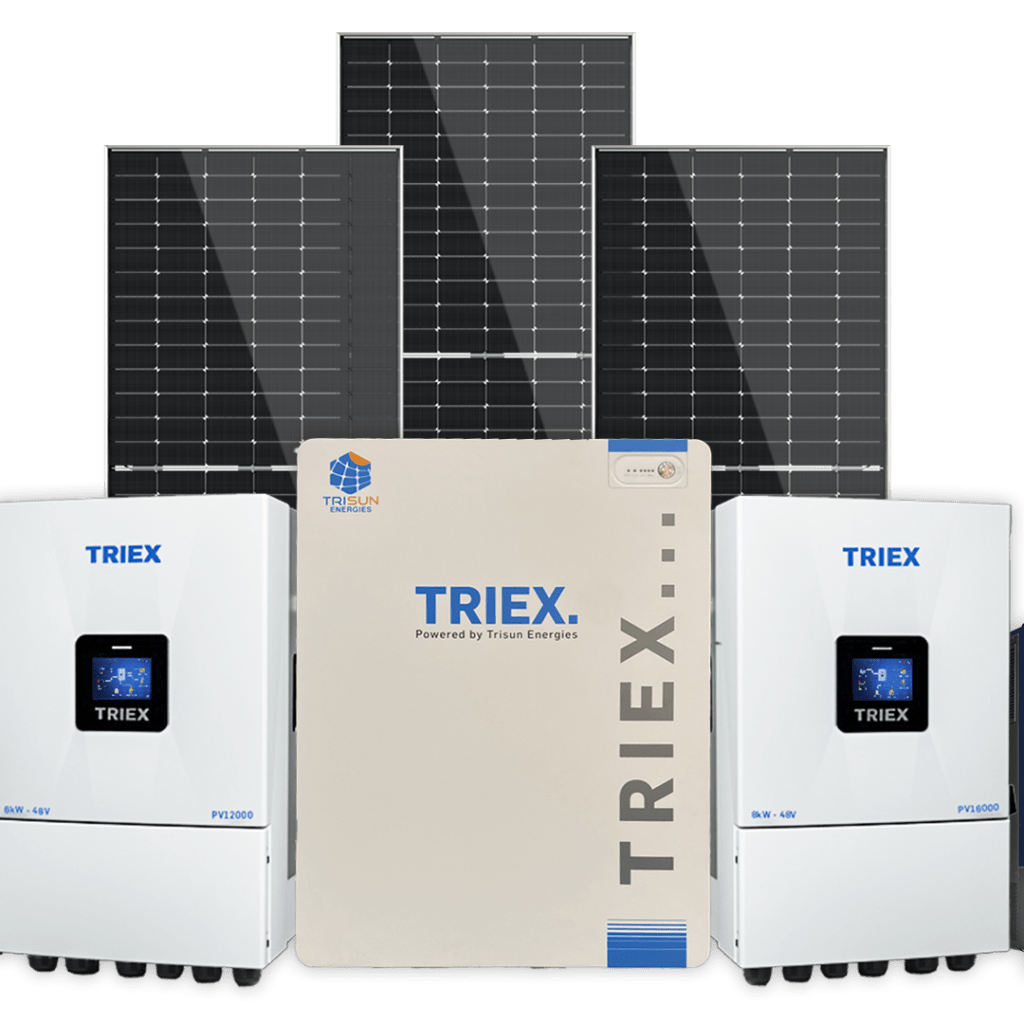
The inverter is often considered the heart of the solar system because it converts direct current produced by the solar panel system to alternating current, safe for home and business appliances. Moreover, inverters also connect to energy storage, such as a battery. The key difference between a hybrid inverter and off off-grid inverter is in grid connectivity.
What is a Hybrid Inverter?
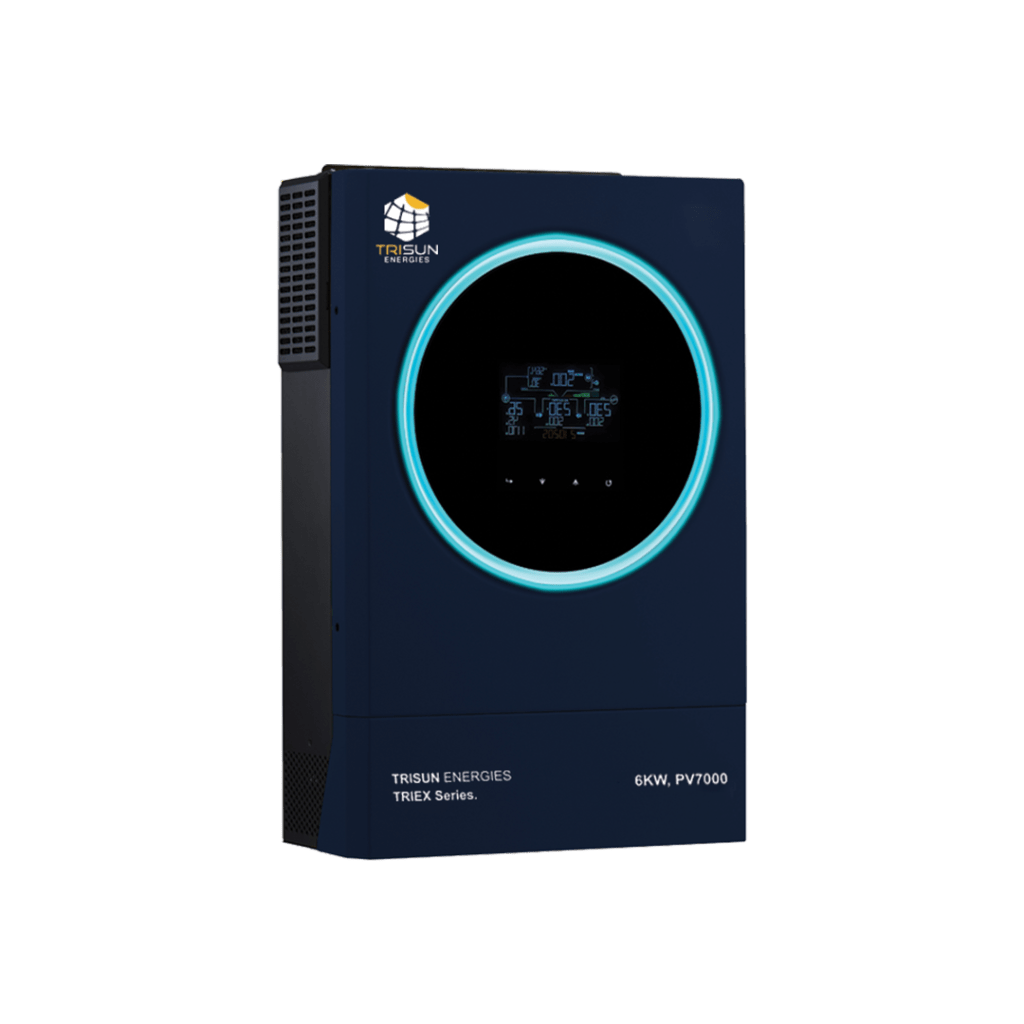
A hybrid solar inverter is also known as a multi-mode inverter because it allows you to use solar power directly, store excess energy in batteries, and export surplus to the grid. Therefore, it offers flexibility in energy delivery by allowing users to choose between storing energy in a battery or grid connectivity. Whereas an off-grid inverter is a standalone inverter that has no grid connectivity. The ideality of the type of inverter differs for each solar investor. Therefore, before selecting the type of inverter, you must consider your home or business’s energy consumption and requirements.
With its battery backup, a hybrid inverter provides reliable power during outages, load shedding, or peak demand hours. In regions with net metering, a hybrid solar inverter allows exporting surplus solar power to the grid, lowering electricity bills.
Hybrid inverters are especially popular in areas with load shedding or low feed-in tariff rates, offering flexibility by drawing power from solar, grid, or storage as needed. They can even work without batteries, directly connecting solar panels and the grid.
What is an Off-grid Inverter?
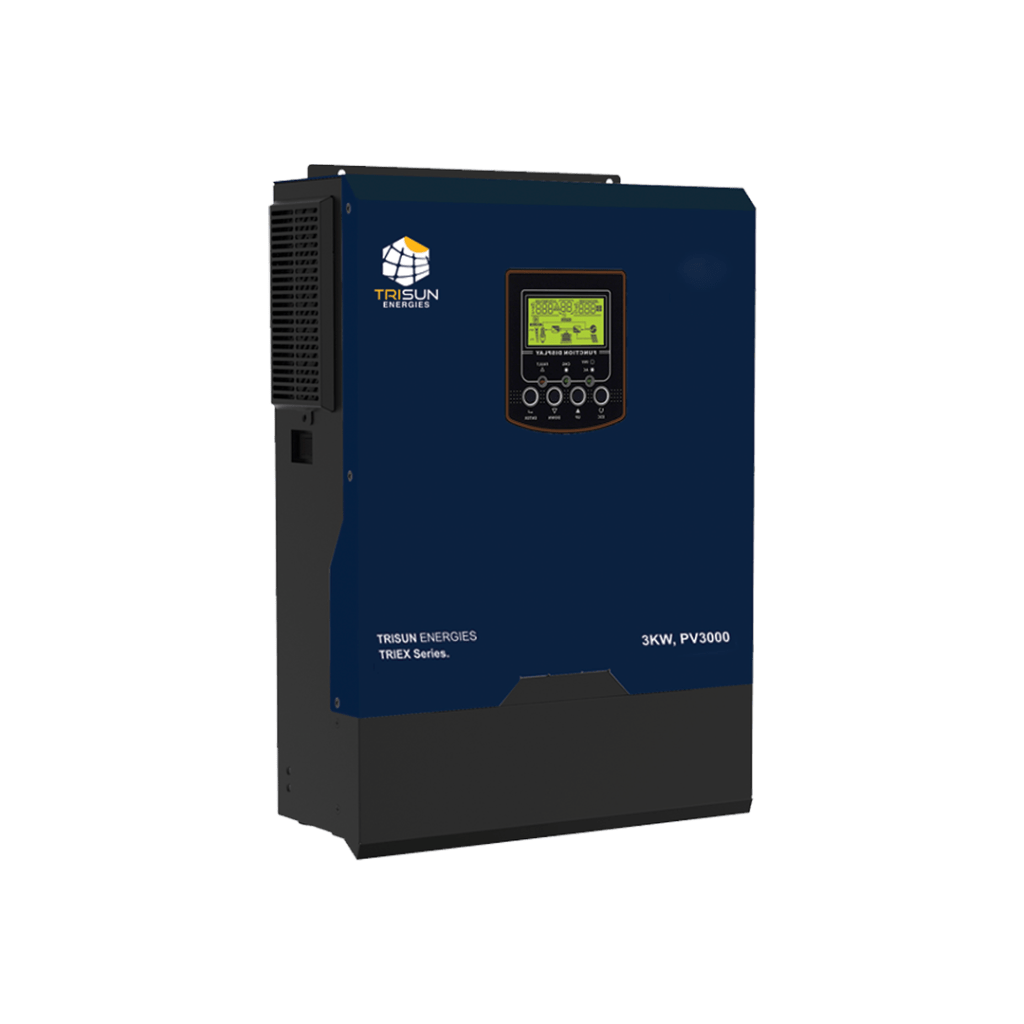
An Off-grid Inverter, also called a stand-alone inverter, operates completely independently of the electricity grid. It draws DC power from batteries, which are charged by solar panels, and converts it into AC for use in homes or businesses. These inverters are ideal for remote regions with little or no access to the grid. Since they do not offer grid connectivity, off-grid inverters cannot export power back to it. Instead, they provide full energy independence by relying solely on solar generation and battery storage.
Off-grid inverters are simpler in design, generally more affordable than hybrid systems, and ensure a continuous supply in off-grid conditions. However, users must carefully size their solar and battery systems to avoid running out of power during periods of low solar production.
Key Differences in How They Work
- A Hybrid Inverter connects solar panels, storage, and the grid, switching smoothly between all three. Once the batteries are charged, excess power can be exported to the grid. If solar and storage fall short, the grid can provide backup.
- An Off-grid Inverter has no grid connection. Once batteries are fully charged, any excess solar power is wasted since it cannot be exported. During extended cloudy periods, energy use is limited by the size of the solar-battery setup.
Pros and Cons of Hybrid Solar Inverter
Pros
- Combines grid-tied and off-grid functionality in one system.
- Offers backup power during load shedding.
- Net metering allows surplus solar to be exported for savings.
- Provides flexible power management (solar, grid, or storage).
- Low maintenance and efficient use of solar energy.
Cons
- Higher upfront cost compared to other inverter types.
- Not all hybrid inverters are compatible with every battery type, but Triex hybrid inverters are compatible with all batteries.
Pros and Cons of Off-grid Inverter
Pros
- Provides full energy independence.
- Ideal for remote areas or locations less to no grid connectivity
- More affordable than hybrid inverters.
- Simpler design, easier to install and operate.
Cons
- Cannot connect to or export power to the utility grid.
- Limited to available solar and battery storage capacity.
- Requires careful system planning to avoid shortages.
Which One Should You Choose?
| Question | Yes (Off-grid) ✅ | No (Hybrid) ✅ |
|---|---|---|
| I want complete energy independence without relying on the grid | ☑ | ☐ |
| I live in a remote area with no or poor grid access | ☑ | ☐ |
| I want to take advantage of net metering to export extra solar power | ☐ | ☑ |
| I need a backup power supply during blackouts or load shedding | ☐ | ☑ |
| I prefer a lower-cost solution with simpler installation | ☑ | ☐ |
The decision depends on your energy needs, location, and goals:
- Choose a Hybrid Inverter if you want grid connectivity, the ability to export surplus solar, and reliable backup power during outages. It’s ideal for urban or semi-urban regions with net metering policies.
- Choose an Off-grid Inverter if you live in a remote area with no grid access or want complete energy independence at a lower cost.
By evaluating your budget, energy consumption, grid reliability, and future expansion plans, you can determine the inverter type that best suits your solar investment.
Conclusion
Both Hybrid Solar Inverters and Off-grid Inverters serve different purposes, and the right selection depends on your lifestyle and energy consumption. If you want flexibility, grid connectivity, and backup support, a hybrid inverter is the smarter long-term investment. However, if your priority is energy independence and you live in a remote area with little or no grid access, an off-grid inverter is the more practical and cost-effective solution. By carefully weighing your energy consumption patterns, budget, and location, you can select the inverter that maximizes both efficiency and reliability for your solar system.
Reach us out:
Call Us: +92 311 1457777 Email: info@triexbyte.com Visit Us: Plot No D-65/I, Block 5 Clifton, Near Boat Basin, Karachi Timings: 10:00 AM – 6:00 PM (Mon–Sat)