

Pakistan’s solar sector has grown rapidly in recent years. Homes and industries are installing solar panels to save on electricity bills and reduce reliance on load shedding. Solar energy provides independence, energy security, and long term cost savings.
However, a major change is affecting solar users. Nepra has replaced net-metering with net-billing, and this new system changes how solar consumers earn credits for the electricity they produce.
What Was Net-Metering?
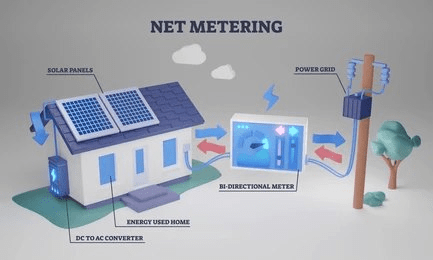
Net-metering allows solar users to send extra electricity to the grid and receive full credit for it. For example, if your solar system produced 500 units in a month but you only consumed 400 units, the remaining 100 units would reduce your electricity bill.
This system encouraged larger solar installations and made solar investments more profitable, as users could maximize the value of every unit generated.
What Is Net-Billing?
Net-billing works differently and reduces the financial benefits for solar users. Under the new system:
- Electricity you export to the grid is purchased at a lower rate, around Rs10–11 per unit instead of Rs26.
- Electricity you import from the grid is billed at a higher rate, ranging from Rs37–55 per unit.
- Bills are calculated monthly instead of every three months.
In simple terms, exporting electricity now earns less, which lowers overall savings.
Who Is Affected?
Existing prosumers, those with solar systems already installed, will move to net-billing immediately, but other contract terms remain in place until the end of their seven-year agreement.
New prosumers will receive five-year contracts with lower export rates. Additionally, system size may be limited to the approved load, restricting future expansion.
Why Nepra Made This Change

Nepra and the government explain the move as necessary for grid stability. They point out that the electricity grid is overloaded with unmetered solar energy, capacity charges are rising, and the grid is becoming costly to maintain. While the goal is to stabilize the electricity system, the financial incentives for solar users are inevitably reduced under net-billing.
How Triex Series Can Help You Save

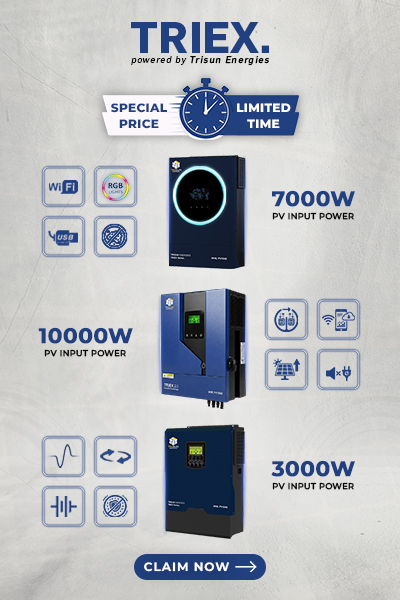
Even with net-billing, you can maximize your savings using Triex products. High-efficiency Triex inverters ensure your home or business uses maximum solar energy before exporting it to the grid.
Triex lithium-ion batteries store excess energy at home rather than selling it at lower rates, reducing dependence on expensive grid electricity. Bifacial solar panels capture sunlight on both sides, generating more electricity even with limited rooftop space.
When combined as a hybrid solution, these products provide uninterrupted power during outages and help users get the most value from every unit of solar energy generated.
Tips for Solar Users Under Net-Billing
To maximize benefits under the new rules, solar users should monitor their electricity usage and solar generation closely. Investing in lithium-ion battery storage can reduce reliance on the grid. Planning your system size within the approved load ensures compliance with regulations. Hybrid solutions from Triex guarantee a reliable and continuous power supply, making solar energy more efficient despite reduced export earnings.
FAQs
Can I still save money with solar under net-billing?
Yes, storing energy with Triex batteries can reduce grid consumption and maintain savings.
What are bifacial solar panels?
They capture sunlight on both sides, producing more electricity than conventional panels, especially in reflective environments.
Why choose Triex lithium-ion batteries?
They store more energy, last longer, and allow users to maximize solar power instead of buying expensive grid electricity.
Will I have power during load-shedding?
Yes, Triex hybrid systems provide uninterrupted electricity even when the grid is down.
Can I expand my solar system later?
Expansion is limited under new regulations, so plan your system size carefully before installation.
Conclusion
Nepra’s shift from net-metering to net-billing is a major change for solar users in Pakistan. Although export earnings are lower, solar energy remains a smart investment. By using Triex inverters, lithium-ion batteries, and bifacial solar panels, you can maximize efficiency, reduce reliance on the grid, and enjoy uninterrupted power.
With the right planning and technology, net-billing does not have to mean lower savings. It can be an opportunity to use solar energy smarter and more effectively.